
"coffee farmer skin"
2000 article(s) found

Rwanda Coffee Flavor Manor with extreme Taste characteristics
The first problem for Malaba coffee farmers is to set up a cleaning station. The coffee fruit must be transported to the cleaning station to wash the sugar under the skin of the coffee bean within 12 hours after picking, otherwise the flavor of the coffee will be greatly damaged. In July 2001, with UNR, the Ministry of Culture and Industry of Rwanda (Office des Cultures Industrielles du Rwanda,OCIR-Caf), ACD

Introduction to the characteristics of Rwanda Coffee Bean Flavor Manor producing area Coffee growing Environment in Rwanda
Rwandans have been growing coffee since colonial times, but until 1999, its products were still classified as below Class C and were not popular in the global market. The reason for the poor quality is that farmers do not have a fixed procedure for washing coffee beans and do not process coffee fruits according to specifications in time. Buyers buy coffee beans at $0.33 per kilogram, and farmers keep warm by the meagre profits earned at low prices.

Yemeni mocha-Coffee Solar treatment process characteristics of Coffee Solar treatment
Professional coffee knowledge exchange more coffee bean information Please pay attention to coffee workshop (Wechat official account cafe_style) Coffee fruit actually after harvest, after a series of complex processing procedures, and finally after roasting, it will become the coffee ripe beans you see. Although many people have drunk coffee, they don't know what the coffee fruit looks like. The fruit picked from the coffee tree

Full grain Rwandan coffee flavor Introduction Western Province Lutexiluo region Introduction
Rwandan coffee characteristics: Rwandan coffee taste is described as grassy aroma, with tropical climate characteristics, this coffee presents a sweet fruit, it can also give people a fresh, clear and fresh feeling. Bourbon coffee grown in Rwanda is marvellous for its fruity sweetness, its rich aroma, without any convergence, and its aftertaste
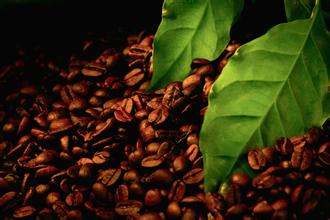
History of coffee in Rwanda
In 1999, 220 coffee growers formed guilds in the Malaba area (formerly part of Butare province) to address the disease. Among the guild members, many farmers were separated from their loved ones by the 1994 mass massacre, while some husbands were jailed or were taken to the traditional Gacaca Court (gacaca) to face trial on charges of participating in the massacre. They named the guild Abauza.
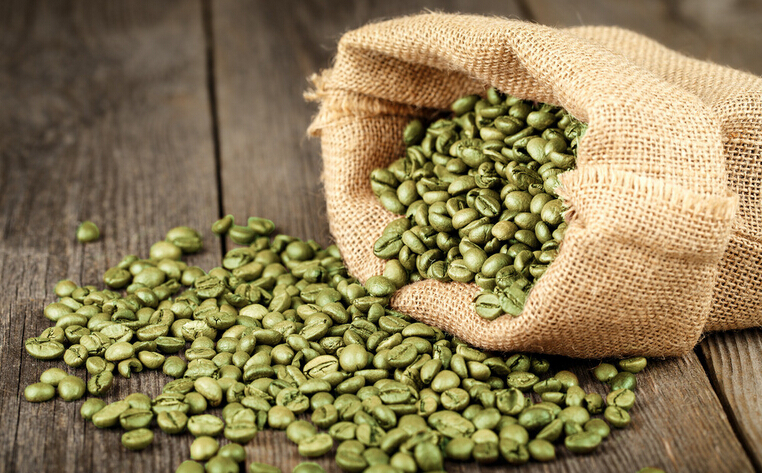
The classification of coffee beans. Classification of raw beans.
Plant classification Coffee tree belongs to the evergreen tree of Rubiaceae. Rubiaceae plants have been dominated by plants with special effects since ancient times, such as quinine tree, which is regarded as a specific drug for malaria, and Dugan, which is used to treat Amiba dysentery. Coffee is defined as the most unique alkaloid drinking flora. The fruit of coffee is made up of outer skin, pulp, endocarp, silver skin, and the species wrapped in the innermost layers mentioned above.

Rwandan Coffee Bean Flavor Introduction Malaba Coffee Bean Rwandan Coffee Bean Characteristics
The first problem that Malaba coffee farmers solved was to set up a washing station. Coffee cherries must be transported to a washing station within twelve hours of picking to remove the sugar coating under the outer skin of the coffee beans, otherwise the flavor of the coffee will be greatly damaged. In July 2001, the Rwandan government, through UNR, the Office des Cultures Industrielles du Rwanda (OCIR-Caf), ACD,

Rwanda coffee varieties varieties Malaba coffee Western Province Lutesilo producing area
The first problem that Malaba coffee farmers solved was to set up a washing station. Coffee cherries must be transported to a washing station within twelve hours of picking to remove the sugar coating under the outer skin of the coffee beans, otherwise the flavor of the coffee will be greatly damaged. In July 2001, the Rwandan government, through UNR, the Office des Cultures Industrielles du Rwanda (OCIR-Caf), ACD,
Kenyan Coffee Manor skin, brief introduction of Kenyan Coffee
Following Kaiping (official Wechat account vdailycom) found that the Beautiful Cafe opened a small shop of its own Kenya is a neighbor of Ethiopia, the country of origin of Arabica coffee. The time when Kenya began to grow coffee is said to be at the end of the 19th century. The seeds were brought into Kenya by Christian missionaries and planted in a farm run by that colonial country, but for the second time.

Boutique coffee introduction to Malaba Coffee from Rwanda Coffee producing countries
The first problem for Malaba coffee farmers is to set up a cleaning station. The coffee fruit must be transported to the cleaning station to wash the sugar under the skin of the coffee bean within 12 hours after picking, otherwise the flavor of the coffee will be greatly damaged. In July 2001, with UNR, the Ministry of Culture and Industry of Rwanda (Office des Cultures Industrielles du Rwanda,OCIR-Caf), ACD
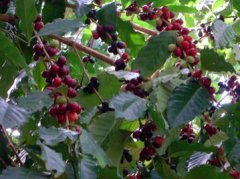
Basic knowledge of Coffee Coffee Tree Classification and growth picking period
Coffee tree belongs to the evergreen tree of Rubiaceae. Since ancient times, most of the plants of Rubiaceae are plants with special effects, such as quinine tree, which is regarded as a specific drug for malaria, and Dugan, which is used to treat amoeba dysentery. Coffee is defined as the most unique alkaloid drinking flora. The fruit of coffee consists of outer skin, pulp, endocarp, silver skin, and seeds (coffee beans) wrapped in the innermost layers mentioned above.
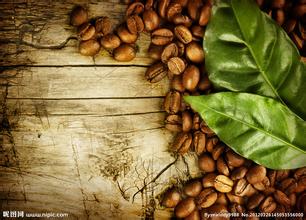
Introduction of Chimere Manor in Lutesilo, West Province, Malaba Coffee region, Rwanda
The first problem for Malaba coffee farmers is to set up a cleaning station. The coffee fruit must be transported to the cleaning station to wash the sugar under the skin of the coffee bean within 12 hours after picking, otherwise the flavor of the coffee will be greatly damaged. In July 2001, with UNR, the Ministry of Culture and Industry of Rwanda (Office des Cultures Industrielles du Rwanda,OCIR-Caf), ACD

The flavor and taste of Rwandan Malaba coffee with breath and aroma
The first problem for Malaba coffee farmers is to set up a cleaning station. The coffee fruit must be transported to the cleaning station to wash the sugar under the skin of the coffee bean within 12 hours after picking, otherwise the flavor of the coffee will be greatly damaged. In July 2001, with UNR, the Ministry of Culture and Industry of Rwanda (Office des Cultures Industrielles du Rwanda,OCIR-Caf), ACD

Lutesilo producing area of the western province of Malaba coffee in Rwanda
The first problem for Malaba coffee farmers is to set up a cleaning station. The coffee fruit must be transported to the cleaning station to wash the sugar under the skin of the coffee bean within 12 hours after picking, otherwise the flavor of the coffee will be greatly damaged. In July 2001, with UNR, the Ministry of Culture and Industry of Rwanda (Office des Cultures Industrielles du Rwanda,OCIR-Caf), ACD

Uganda boutique coffee-Sipi Falls tin waterfall coffee bean flavor? Sipi Falls coffee
Professional coffee knowledge exchange more coffee bean information please follow the coffee workshop (Wechat official account cafe_style) Uganda boutique coffee-Sipi Falls tin skin waterfall coffee bean flavor? What is the Sipi Falls coffee plan? Coffee in ancient times is regarded as something that Ugandan soldiers must chew before entering the battlefield, because soldiers believe it will bring them courage and victory.

Rwandan coffee varieties with rich flavors. Fine coffee beans. Flavor description.
In 1999, 220 coffee growers formed a union in the Malaba area (formerly part of Butare province) to combat the disease. Many of its members are farmers separated from their loved ones by the 1994 massacre, and some have husbands jailed or brought before traditional gacaca courts to face trial on charges of involvement in the massacre. They named it Abbawuza.

The mysterious and Beautiful Coffee Manor of AA boutique coffee in Kenya
Kenya's coffee-growing areas are distributed around the capital Nairobi and in the northeast, extending to the areas of Nyeri, Meru and Embu on Mount Kenya. With Nairobi as the center, we went on a five-day farm trip to different farms and estates in Thika, Kiambu and Nyeri, and unveiled Kenny
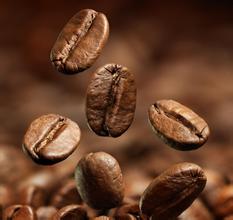
Manning coffee processing method
Manning coffee sellers often mark Lintong Lindong and Mandheling manning coffee as dry. In fact, the pulp and coffee seeds are often separated by a variety of mixing modes, and the more common is a backyard wet treatment. The smart farmer put the freshly picked coffee cherries into a simple peeling machine made of scrap metal, wood and bicycle parts. And then

Introduction to the characteristics of Rwandan Coffee beans in Rwanda Coffee Flavor Manor area
The first problem for Malaba coffee farmers is to set up a cleaning station. The coffee fruit must be transported to the cleaning station to wash the sugar under the skin of the coffee bean within 12 hours after picking, otherwise the flavor of the coffee will be greatly damaged. In July 2001, with UNR, the Ministry of Culture and Industry of Rwanda (Office des Cultures Industrielles du Rwanda,OCIR-Caf), ACD

Boutique coffee Rwanda coffee origin Rwanda coffee practice
Rwandans have been growing coffee since colonial times, but until 1999, its products were still classified as below Class C and were not popular in the global market. The reason for the poor quality is that farmers do not have a fixed procedure for washing coffee beans and do not process coffee fruits according to specifications in time. Buyers buy coffee beans at $0.33 per kilogram, and farmers keep warm by the meagre profits earned at low prices.